
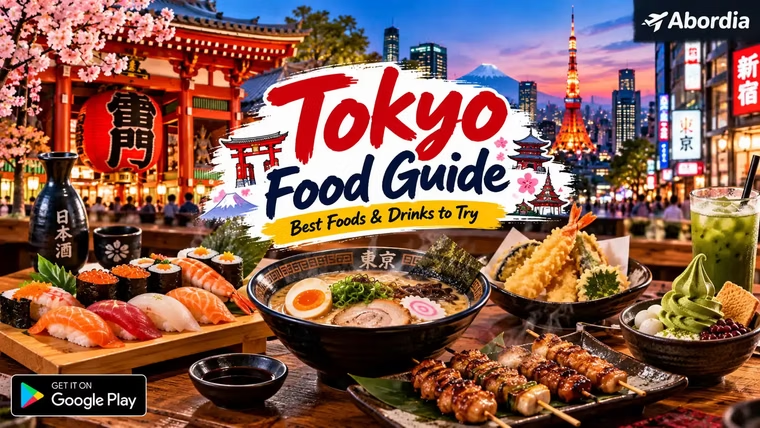
Tokyo has more restaurants than you could visit in a lifetime. That sounds great until you are hungry in Shinjuku at 7 pm and have no idea where to start.
This guide keeps it simple. You will find 20 foods worth trying, plus Japanese drinks, the best neighborhoods for food, rough costs, and a few manners that make meals easier. It covers sushi, ramen, tempura, yakitori, tonkatsu, soba and udon. It also covers street snacks, sweets, tea, sake, whisky and the izakaya, Japan’s casual pub-style restaurant.
You do not need an expensive reservation to eat well here. Some of the best meals in Tokyo come from small noodle shops, station counters and neighborhood pubs.
Main Dishes to Try in Tokyo
1. Sushi
Sushi in its modern form took shape in old Edo, which is now Tokyo. You can try it three ways. Conveyor-belt restaurants (kaiten-zushi) are cheap and easy, since you just pick plates as they pass. Standing sushi bars are fast and low-cost. Counter restaurants, where the chef serves each piece by hand, cost more and suit a special night.
One tip: wasabi is already inside nigiri. Dip the fish side, not the rice, into a little soy sauce.
2. Ramen
Classic Tokyo ramen is shoyu: a soy-sauce broth, often chicken-based, with thin curly noodles. You will also see shio (salt, lighter), miso (richer), and tonkotsu (creamy pork-bone broth).
Many shops use a ticket machine at the door. Pick your bowl, pay, then hand the ticket to the staff. Tokyo Station has a whole basement row of ramen shops, which is handy if you are between trains.
3. Tsukemen
Tsukemen is ramen turned around. The noodles come cold or warm on a plate, and you dip them into a thick, strong broth. It is filling and a bit messy in a good way. When you finish the noodles, ask for soup-wari. Staff will add hot broth to your dipping bowl so you can drink it.
4. Tempura
Tempura is seafood and vegetables fried in a very light batter. Common picks include prawn, sweet potato, eggplant, and shiso leaf. Tokyo-style tempura is often fried in sesame oil, which gives it a darker color and a rich smell.
Counter restaurants serve it piece by piece. For a cheaper try, order a tendon, which is tempura over rice with sweet sauce.
5. Yakitori
Yakitori means chicken skewers grilled over charcoal. Thigh with leek (negima) and chicken meatballs (tsukune) are easy first orders. Braver eaters can try skin, heart, or liver.
You can order each skewer with salt (shio) or sauce (tare). Yakitori is also one of the more affordable ways to eat well at night, since you pay by the stick. The smoky alleys under the train tracks near Yurakucho are a classic spot.
6. Tonkatsu
Tonkatsu is a pork cutlet coated in panko crumbs and deep fried. It arrives sliced, with shredded cabbage, rice, and miso soup. Loin (rosu) has a fatty edge. Fillet (hire) is leaner. Grind the sesame seeds in the small bowl, add the thick sauce, and eat it while the crust is still crisp.
7. Japanese Curry
Japanese curry is thick, mild, and a little sweet. It is a comfort dish, not a copy of Indian curry. The usual plate is curry rice, often topped with a katsu cutlet. You can also find curry udon.
Casual chains let you pick your spice level and rice portion, so it works well for families and budget travelers.
8. Soba
Soba are buckwheat noodles, and Tokyo has a long soba tradition. Zaru soba is served cold with a dipping sauce. Kake soba comes in hot broth. Cold soba tastes lighter than ramen, so it suits a warm day.
At the end, many shops bring soba-yu, the hot noodle water. Pour it into leftover dipping sauce and drink it. Note that buckwheat is a common allergen.
9. Udon
Udon are thick wheat noodles with a soft, chewy bite. Kake udon is the plain broth version. Kitsune udon adds sweet fried tofu. Tsukimi udon comes with a raw egg. Tokyo broth tends to be darker and saltier than the milder broth in Kansai.
Udon shops near stations are quick and cheap, and many serve you in under five minutes.
10. Monjayaki
Monjayaki is a Tokyo specialty that many visitors miss. It is a runny, savory batter cooked on a hot iron plate at your table, then scraped and eaten straight from the griddle with tiny spatulas. It looks odd and tastes great. Head to Monja Street in Tsukishima, where dozens of restaurants serve it.
Eat at an Izakaya
An izakaya is a casual Japanese pub where people share small plates and drinks after work. It is one of the best ways to see everyday Tokyo life.
Expect dishes like edamame, karaage (fried chicken), grilled fish, tofu, and yakitori. Most groups order a round of food, then add more as they go.
Two things surprise first-timers. Many izakayas charge a small seating fee, called otoshi, which comes with a little starter dish. Some also offer nomihodai, an all-you-can-drink deal for a set time. Both are normal. Smoking is still allowed in some small pubs, so ask if that matters to you.
Best Tokyo Street Foods to Try
Tokyo is not like Bangkok or Hanoi, where you can eat your way down a street. Most food here is served in shops and at counters. But you can find snacks at markets, shrine approaches, festivals and takeaway windows.
One local rule matters here. Eating while you walk is considered rude in Japan. Buy your snack, step aside near the stall and finish it there.
11. Takoyaki
Takoyaki are round batter balls with octopus inside, topped with sauce, mayo, and bonito flakes. They are Osaka’s famous snack, but stalls all over Tokyo sell them. The center is very hot, so wait a minute.
12. Taiyaki
Taiyaki is a fish-shaped cake, crisp outside and soft inside. The classic filling is sweet red bean. Custard and chocolate are also common. It is best fresh from the mold.
13. Dango
Dango are chewy rice dumplings on a skewer. Mitarashi dango has a sweet soy glaze. Asakusa’s shopping lane, Nakamise Street, is a good place to try them.
14. Japanese Crepes
These are thin crepes rolled into a cone and stuffed with cream, fruit, cake, or ice cream. Takeshita Street in Harajuku is the best-known spot. They are more of a young Tokyo trend than an old tradition, and they are fun.
15. Senbei
Senbei are rice crackers, grilled and brushed with soy sauce or sprinkled with seaweed. They are crunchy, salty, and cheap. Asakusa and Tsukiji Outer Market both have shops. Note that the main wholesale market moved to Toyosu in 2018, but the outer market stalls and restaurants at Tsukiji are still open.
Best Desserts to Try in Tokyo
16. Matcha Desserts
Matcha shows up in soft serve, parfaits, cakes, and roll cakes. Good matcha tastes slightly bitter and grassy, not just sweet. Tea cafés in Asakusa and Harajuku are popular stops.
17. Japanese Cheesecake
This style is soft, jiggly, and light, closer to a soufflé than a New York slice. Bakeries sell it fresh, and some serve it warm.
18. Mochi
Mochi is pounded sticky rice. Daifuku is mochi wrapped around sweet bean paste, sometimes with a whole strawberry inside. Mochi is dense, so cut it small for young children and older adults.
19. Kakigori
Kakigori is shaved ice with syrup, fruit, or condensed milk. The ice is shaved so fine it feels like fresh snow. It is mainly a summer treat, though a few cafés serve it year-round.
20. Purin
Purin is Japan’s caramel custard pudding, firm and eggy with dark caramel on top. Convenience stores sell good ones for very little, so it is an easy, cheap dessert.
Best Japanese Drinks to Try in Tokyo
Matcha and Japanese Tea
Tea in Japan is a long tradition, not just a café trend. Matcha is powdered green tea whisked with hot water. You can try it at a tea house, where the server often explains how to drink it. Everyday tea, like sencha and hojicha, is served free or cheap in many restaurants.
Sake
Sake is brewed from rice and usually sits around 15 percent alcohol. It is made more like beer than wine, and it is not a spirit. You can drink it cold, room temperature, or warm. Look for words like junmai and ginjo on the label. If you are unsure, ask staff for a recommendation by flavor, such as dry or fruity. Many sake bars offer small tasting sets.
Japanese Whisky
Japanese whisky has gained a global fan base, and Tokyo’s bars let you try it without a trip to a distillery. Bars in Ginza and Shinjuku are well known for deep whisky lists. Ask for a half pour or a tasting flight if bottle prices are high. Labels can be confusing, so ask the bartender what is actually made in Japan.
Japanese Beer
Beer is the default drink at casual meals. Most pubs start the table with a draft lager, and the usual order is just nama (draft). Asahi, Kirin, Sapporo and Suntory are the big names. Craft beer bars are also easy to find in Tokyo.
Highballs
A highball is whisky mixed with cold soda and a lemon wedge. It is crisp and goes well with fried food. It is a staple at izakayas and is often cheaper than whisky served neat.
Best Areas in Tokyo for Food Lovers
Staying near good food saves time. If you are still choosing a base, our guide to the best places to stay in Tokyo covers neighborhoods with strong dining options.
| Tokyo Area | Best For | Try First |
|---|---|---|
| Shinjuku | Izakayas, ramen and nightlife | Yakitori and ramen near the station |
| Shibuya | Cafés, restaurants and modern food | Conveyor-belt sushi, desserts |
| Asakusa | Traditional Japanese food | Tempura, dango, senbei |
| Tsukiji | Seafood and market-style food | Fresh seafood snacks |
| Ginza | Upscale dining | Sushi counters, whisky bars |
| Ueno | Affordable food and local restaurants | Ameyoko market snacks |
| Akihabara | Themed cafés and casual food | Curry, cafés |
| Ebisu | Restaurants and izakayas | Izakayas, ramen |
| Tokyo Station | Quick meals and dining | Ramen Street, bento |
| Harajuku | Desserts, cafés and trendy snacks | Crepes, matcha sweets |
Best Food Experiences by Traveler Type
First-Time Visitors
Start with sushi, ramen, tempura, yakitori, and matcha. That set gives you a good picture of Japanese food in one trip. Add an izakaya night if you want to see local life.
Budget Travelers
Cheap eats in Tokyo are easy once you know where to look. Ramen shops, gyudon (beef bowl) chains, casual noodle bars, and set meals (teishoku) are solid value. Department store basement food halls, called depachika, sell good takeaway bento, often discounted near closing time. Convenience stores like 7-Eleven, Lawson and FamilyMart sell onigiri, sandwiches and hot snacks that are better than you might expect.
Couples
Sushi counters, dessert cafés and izakayas all work for a date. For a special night, book a restaurant on an upper floor of a tower in Shinjuku, Roppongi or Shiodome for the night view. Reserve ahead, and ask for a window seat when booking.
Families
Udon, curry, tonkatsu and conveyor-belt sushi are easy wins with children. Japanese family restaurants have picture menus and kids’ sets. Choose places with table seating if you have small children, since some small shops have only counters.
Vegetarians, Vegans and Halal Travelers
Tokyo can work for these diets, but it takes planning. The main trap is dashi, a fish-based stock used in many soups, sauces, and even vegetable dishes. Soy sauce and mirin are common as well. Look for shojin ryori, the Buddhist temple-style vegetable cuisine, and for vegan ramen shops, which exist near Tokyo Station and in other areas.
If you eat halal, avoid pork broth and lard, and remember that sake, mirin, and cooking alcohol appear in many dishes. Halal-certified restaurants exist in parts of Tokyo, including areas near Ueno and Shin-Okubo. Check a current halal directory before you go, since restaurants open and close often. A translation app or a printed note in Japanese helps a lot.
How Much Does Food Cost in Tokyo?
Prices change, so use these as rough ranges and check current menus.
- Budget meals (about ¥500 to ¥1,500): convenience stores, standing noodle shops, gyudon chains, ramen and set meals.
- Mid-range dining (about ¥1,500 to ¥5,000): sit-down tonkatsu, tempura lunch sets, izakaya dinners and popular specialty restaurants.
- Premium dining (¥10,000 and up): high-end sushi, kaiseki (multi-course meals) and luxury restaurants.
The same dish can cost very different amounts depending on where you eat. Lunch sets are usually cheaper than dinner. A tourist-area restaurant may cost more than a back-street shop. A drink-heavy izakaya night adds up fast.
Japanese Food Etiquette Tips for Visitors
Japan is forgiving of visitors. A few habits will still help you blend in.
- Chopsticks: Do not stick them upright in rice. Do not pass food from one pair to another.
- Soy sauce: Pour a little in the small dish. Do not pour it over plain rice.
- Ramen: Slurping is fine. Eat soon after it arrives, since noodles soften quickly.
- Queues: Join the line and wait to be seated. Staff will often ask how many people are in your group.
- Ticket machines: Buy first, then sit or hand over your ticket. Many machines have English or pictures.
- Paying: You often pay at the register on your way out. Small places may take cash only, so carry some.
- Tipping: It is not expected. Staff may even try to return it.
- House rules: Some places ask you to finish within a time limit. Others ask you to leave large bags by the door.
Plan Your Food Trip
Book your flight first, since it sets your dates. If you are flying from Bangladesh, compare fares on cheap flight tickets from Dhaka to Tokyo. Check whether your route has a layover and how long it is. Cherry blossom season in spring and autumn leaves in November are popular, so fares and hotel prices can rise then. Booking early and staying flexible on dates often helps.
Also check which airport you land in. Haneda is closer to central Tokyo, while Narita is farther out and takes longer by train.
Once your dates are set, build a simple plan. Pair each day with a neighborhood and a meal you want to try. Our guide to the best things to do in Tokyo can help you match sights with food stops nearby. Leave some gaps too. Half the fun is walking into a small shop that has a line of locals outside.
Frequently Asked Questions
Tokyo is known for sushi, tempura, soba, shoyu ramen, and monjayaki. It also has strong izakaya, tonkatsu, and dessert scenes.
Sushi, ramen, tempura, yakitori, and tonkatsu are the core five. Add one street snack and one dessert, such as taiyaki and matcha.
Start with conveyor-belt sushi and a bowl of ramen. Then try an izakaya dinner.
Not always. You can eat well for a modest price at noodle shops, set meal restaurants, and convenience stores. Prices rise with premium sushi and upscale dining.
Onigiri, convenience store meals, gyudon bowls, standing noodle shops, and lunch sets are the cheapest.
Shinjuku, Shibuya, Asakusa, Ueno, and Tokyo Station are good starting points. Each has a different style of food.
Takoyaki, taiyaki, dango, senbei, and crepes are the most popular. Look in Asakusa, Harajuku, and Tsukiji Outer Market.
Try matcha, sake, whisky highballs, and Japanese beer. Tea is also served free or cheaply with many meals.
Matcha sweets, mochi, Japanese cheesecake, kakigori, and purin are all good choices.
Asakusa is a good place to start. Soba shops, tempura counters, and department store restaurants also serve traditional dishes.
It is possible, but you need to plan. Many dishes use fish stock, so ask about dashi or look for shojin ryori and vegan-friendly restaurants.
A budget traveler might plan roughly ¥3,000 to ¥5,000 per day. A mid-range traveler might plan ¥6,000 to ¥10,000 or more. These are rough estimates, so check current prices.
