
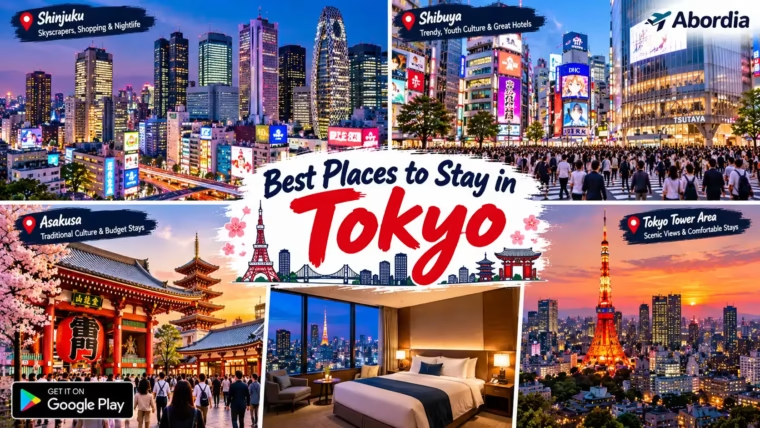
Tokyo is huge. Pick the wrong neighborhood and a short trip starts to feel long. You lose time on trains, you walk past things you wanted to see, and you get back to your room later than you planned.
The good news is that there is no single best area. The right one depends on what you want. Late-night food and bars? Temples and old streets? Easy day trips? A calm base with space for kids?
This guide covers the main places to stay in Tokyo and compares them on seven things:
- Location
- Transportation
- Nearby attractions
- Food and nightlife
- Shopping
- Budget
- Best type of traveler
Read the summary of each area, check the table, then jump to the section that matches your trip. If you are still planning your flights, you can also look at cheap flight tickets from Dhaka to Tokyo before you lock in hotel dates.
How to Choose a Neighborhood in Tokyo?
Tokyo is not one city center. It is a group of hubs linked by trains. Each hub has its own feel, and most of them are 10 to 30 minutes apart by train.
Three rules make the choice easier:
- Stay close to a train station. A hotel that is a 3-minute walk from a station beats a cheaper one that is 15 minutes away. You will use the station every day.
- Look at the lines, not just the name. The Yamanote Line loops around central Tokyo and connects Shinjuku, Shibuya, Ueno, Akihabara, Tokyo Station, and Ebisu. Staying on or near it saves a lot of transfers.
- Match the area to your trip length. On a 3-day trip, a central base matters more. On a 10-day trip, you can pick a quieter area and accept a longer ride.
1. Shinjuku: Best Overall for First-Time Visitors
Shinjuku is the easiest answer for many first-timers. It is busy, loud, and a little confusing at first, but it works.
Getting around
Shinjuku Station is one of the busiest stations in the world. JR lines, the Marunouchi and Oedo subway lines, and private railways all meet here. Limousine buses and trains run to both Haneda and Narita airports, so arrival and departure are simple.
What is nearby?
The west side has tall office towers and big hotels. The east side has Kabukicho, a dense area of restaurants, bars, and arcades. Golden Gai, a block of tiny bars, is a short walk away. For a break from the noise, Shinjuku Gyoen is a large park with gardens that are lovely in cherry blossom season and in autumn.
Food and shopping
You will find everything from ramen counters and izakayas to department stores and electronics shops. Most places stay open late.
Watch out for:
The station is huge. Pick a hotel near the exit you will use most, and download an offline map.
Best for
First-time visitors, nightlife, shopping, and anyone who wants convenience.
2. Shibuya: Best for Shopping, Food and Nightlife
Shibuya feels young and fast. The famous scramble crossing sits right outside the station, and the streets around it are packed with stores, cafés and late-night spots.
Getting around
The JR Yamanote Line and several subway lines stop here, and so does the Narita Express from the airport. It is also a short ride to Harajuku, Ebisu and Shinjuku.
What is nearby?
Shibuya Sky gives you a view over the city. Center Gai and the side streets have clothing shops, record stores and small restaurants. Yoyogi Park and Meiji Shrine are a walk or one stop away.
Watch out for
Hotel rooms near the crossing can be small, and weekend nights are loud. Ask for a higher floor.
Best for
couples, younger travelers, shoppers and night owls.
3. Asakusa: Best for Traditional Tokyo
Asakusa has a slower pace and an older feel than most of the city. It is one of the few areas where you can walk from your hotel to a major temple in a few minutes.
Getting around
The Ginza Line and Asakusa Line serve the area, and Tobu trains run toward Nikko. It is not on the Yamanote Line, so trips to Shinjuku or Shibuya take around 30 to 40 minutes with a transfer.
What is nearby?
Senso-ji is Tokyo’s oldest temple. Nakamise Street, the shopping lane leading to it, sells snacks and souvenirs. Tokyo Skytree is a short train ride or a walk across the river. The Sumida River is good for an evening stroll.
Food
Expect tempura, soba, street snacks, and small family-run places. Many close earlier than in Shinjuku or Shibuya.
Watch out for
The area is quiet at night, and the temple area is crowded in the middle of the day. Go early or after dinner.
Best for
first-time visitors who care about culture, and anyone who wants a calmer base than Shinjuku or Shibuya.
4. Ginza: Best for Luxury and Shopping
Ginza is Tokyo’s polished side. Wide streets, big department stores, and some of the city’s best-known hotels.
Getting around
Three subway lines meet here, and it is within walking distance of Tokyo Station and Tsukiji. That makes it one of the most central places to stay.
What is nearby?
Ginza Six, Mitsukoshi, and Wako are the big names for shopping. The Kabukiza Theatre shows traditional kabuki. Tsukiji Outer Market is close for breakfast. On weekend afternoons, parts of the main street close to cars, which makes it nice to walk.
Food
Sushi counters, tempura restaurants and French cafés. Prices run high, but you can eat well in department store basements for much less.
Watch out for
It is expensive, and nightlife is more about quiet bars than big clubs.
Best for
luxury travelers, couples, and shoppers.
5. Ueno: Best for Budget Travelers and Culture
Ueno is practical. It has good value, plenty of trains and a lot to do without leaving the neighborhood.
Getting around
Ueno Station is on the Yamanote Line and several subway lines. The Keisei Skyliner runs from here to Narita Airport in about 40 minutes, which is one of the fastest links from that airport.
What is nearby?
Ueno Park holds the Tokyo National Museum, the National Museum of Nature and Science, and Ueno Zoo. Ameyoko Market is a busy street of food stalls and bargain shops. The park is also a favorite spot for cherry blossoms.
Budget
You will find more hostels, simple business hotels, and mid-range rooms here than in Ginza or Roppongi.
Watch out for:
A few streets near the station are less polished at night. Most people find it perfectly fine, but choose a hotel close to the main station exits.
Best for:
Budget travelers, museum fans, families on a budget, and anyone flying in or out of Narita.
6. Akihabara: Best for Anime, Gaming and Electronics
Akihabara is a small area with a strong identity. If you are into anime, manga, retro games or gadgets, you will spend half your trip here anyway.
Getting around:
The Yamanote Line, Hibiya Line, and Tsukuba Express stop here. Ueno and Tokyo Station are each just a few minutes away by train.
What is nearby?
Multi-floor arcades, figure shops, used game stores, and big electronics chains. Themed cafés are everywhere, including maid cafés. Some are fun, some are tourist traps, so read recent reviews first.
Watch out for:
Shops close earlier than in Shibuya, and the area is not great for fine dining. Plan dinner in Ueno or Ginza if you want variety.
Best for: anime and gaming fans, and gadget shoppers.
7. Tokyo Station and Marunouchi: Best for Transportation
If you plan to leave Tokyo during your trip, this is the most efficient base.
Getting around
Shinkansen bullet trains to Kyoto, Osaka, Nagano, and Tohoku leave from here. The Narita Express and many JR lines also depart from here. You can step out of your hotel and be on a fast train within minutes.
What is nearby?
The Imperial Palace gardens are a short walk. Marunouchi has high-end shops and restaurants, and the Kitte building has a rooftop view of the station. Ginza and Nihonbashi are on foot.
Watch out for:
The area is quieter at night, especially on Sundays. The station itself is very large, so allow extra time to find your platform.
Best for: day trippers, travelers heading to Kyoto or Osaka, short stays and business trips.
8. Roppongi: Best for Nightlife and Upscale Travel
Roppongi has a more international feel than other parts of Tokyo. It mixes big towers, art museums, and late-night bars.
Getting around
There is no JR station, but the Hibiya and Oedo subway lines serve it well. Getting to Shibuya or Shinjuku usually takes 10 to 15 minutes.
What is nearby?
The Mori Art Museum and the observation deck at Roppongi Hills, the National Art Center, and Tokyo Midtown. Tokyo Tower is a short ride or a long walk.
Food and nightlife
Many restaurants and bars stay open very late, and plenty of staff speak English. Quality varies, so avoid touts who pull you into places off the street.
Watch out for:
Hotels here are pricey, and the nightlife scene can be loud late into the night.
Best for: nightlife, couples, and travelers who want an upscale stay.
9. Odaiba: Best for Families and Waterfront Views
Odaiba sits on a man made island in Tokyo Bay. It is more open and calmer than the main districts.
Getting around
The Yurikamome Line and Rinkai Line connect it to the rest of the city. The ride takes longer than from other areas, so expect 25 to 40 minutes to reach Shinjuku or Asakusa.
What is nearby?
Odaiba Seaside Park has a beach and a view of Rainbow Bridge. DiverCity has a large Gundam statue and a big shopping mall. LEGOLAND Discovery Center and Joypolis are good for kids. The big hotels often have wider rooms than central ones.
Watch out for:
It feels far from the older parts of the city, and evenings are quiet.
Best for: families with children and anyone who wants a waterfront setting.
10. Ebisu and Nakameguro: Best for a Relaxed Tokyo Experience
These two neighborhoods suit travelers who want a local feel. They are close to the center but much less crowded than Shinjuku or Shibuya.
Getting around
Ebisu is on the Yamanote Line and Hibiya Line, so Shibuya is one stop away. Nakameguro is on the Tokyu Toyoko and Hibiya lines. Both are good for reaching the center in 10 to 20 minutes.
What is nearby?
Ebisu has Yebisu Garden Place, small izakayas, and good restaurants. Nakameguro is known for the Meguro River, which fills with cherry blossoms in spring. Alongg the river, you will find cafés, bakeries, and small design shops.
Watch out for:
There are fewer hotels, and rooms book up fast in spring. Few big attractions are right on your doorstep.
Best for: couples, repeat visitors and travelers who want a quieter base with great food.
Quick Comparison Table
| Area | Best For | Atmosphere | Budget | Transportation |
|---|---|---|---|---|
| Shinjuku | First-time visitors | Busy and energetic | Mid to high | Excellent |
| Shibuya | Shopping and nightlife | Modern and lively | Mid to high | Excellent |
| Asakusa | Culture | Traditional | Low to mid | Very good |
| Ginza | Luxury | Upscale | High to premium | Excellent |
| Ueno | Budget and culture | Local and relaxed | Low to mid | Excellent |
| Akihabara | Anime and gaming | Unique and energetic | Mid | Excellent |
| Tokyo Station | Transportation | Business and upscale | Mid to premium | Excellent |
| Roppongi | Nightlife | Upscale and international | High | Excellent |
| Odaiba | Families | Waterfront | Mid to high | Good |
| Ebisu / Nakameguro | Relaxed stay | Trendy and local | Mid to high | Very good |
Where Should You Stay? By Traveler Type
First-Time Visitors
Start with Shinjuku, Shibuya, or Asakusa. Choose Shinjuku if you want the easiest transport and the most choice. Choose Shibuya if shopping and nightlife matter more. Asakusa if you would rather wake up near a temple than a train tower.
Couples
Shibuya has energy and good restaurants. Ginza is more refined. Ebisu and Nakameguro feel more private and local. Pick based on whether you want lively, elegant, or quiet.
Families
Ueno is practical and has a park, a zoo, and museums. Asakusa is calm and easy for kids at the temple. Odaiba gives families more space and many child-friendly attractions. The Tokyo Station area is the best choice if you plan to take the Shinkansen to Kyoto or Osaka.
Budget Travelers
Ueno and Asakusa give the best balance of price and access. You can also look at parts of eastern Tokyo, such as areas near Kuramae or Ryogoku, which have cheaper rooms and still connect to the main lines.
Nightlife
Shinjuku has the widest range, from tiny bars to big clubs. Shibuya feels younger. Roppongi is more international and runs late.
Shopping
Ginza is best for luxury brands. Shibuya and Harajuku are best for street fashion. Shinjuku is a good all-rounder with department stores and electronics shops. Harajuku has few hotels, so most visitors stay in Shibuya or Shinjuku and take the train.
How Much Does It Cost to Stay in Tokyo?
Hotel prices change a lot throughout the year, so treat any fixed number with caution. Cherry blossom season in late March and early April, the autumn leaves in November, Golden Week in early May, and the New Year period all push prices up. Weekends are usually pricier than weekdays.
It helps to think in three tiers:
- Budget: hostels, capsule hotels and simple business hotels. Expect small rooms and shared facilities in some cases.
- Mid-range: comfortable three- and four-star hotels and apartment-style stays. This is where most travelers land.
- Luxury: high-end hotels with larger rooms, strong service, and top locations such as Ginza, Marunouchi, and Roppongi.
What changes the price: season, area, day of the week, room type, how early you book, and local events. Always check the final price, including tax and any service charge, before you pay.
Best Hotel Type by Traveler
- Solo travelers: Capsule hotels, hostels, and business hotels. Capsule hotels are cheap and clean, but check if they have separate floors by gender and whether they offer luggage storage.
- Couples: Boutique hotels or a well-placed hotel near a major station. For a special trip, a luxury hotel with a city view is worth the extra cost.
- Families: Look for larger rooms, apartment hotels with a kitchenette or washing machine, and properties close to a main station. Many Tokyo rooms are small, so check the room size and the maximum number of guests.
- Budget travelers: Hostels, business hotels, and stays just outside the busiest areas. A cheaper room a few stops away can work well if it is next to a station on a major line.
Tokyo Accommodation Mistakes to Avoid
- Choosing a hotel only because it is cheap: A low rate far from a main station can cost you extra in train fares and, more importantly, time.
- Ignoring the nearest train station: Tokyo runs on trains. A hotel close to a station on a major line makes every day easier.
- Booking without checking room size: Tokyo hotel rooms can be much smaller than you expect, especially in business hotels. Look at the square meters listed, not just the photos.
- Staying too far from your main attractions: On a short trip, a good location is worth more than saving a little on the room.
- Assuming every “central Tokyo” hotel is equally convenient: The label is used loosely. Check the walking time to the station and which lines run there.
Once you have picked your area, plan your days. Our guide to the best things to do in Tokyo lists attractions you can group by neighborhood, so you spend less time on trains.
Frequently Asked Questions
Shinjuku is the easiest choice thanks to its transport links and wide range of hotels, food, and entertainment. Shibuya and Asakusa are good alternatives depending on your interests.
Shinjuku is better for transport and variety, including airport connections. Shibuya is better if you want a younger, trend-focused feel and are mainly there for shopping and nightlife.
There is no single winner. Shinjuku suits most first-timers, Asakusa suits culture, Ginza suits luxury, and Ueno suits budgets.
Shinjuku, Shibuya, Ueno, or Asakusa all work well. With 5 days, you have room to enjoy a calmer area like Ebisu if you prefer.
Ueno and Asakusa usually offer the best value near the center. Areas further east can be cheaper still.
Shibuya, Ginza, Ebisu and Nakameguro are all popular. Choose based on whether you want a lively, elegant, or quiet stay.
Ueno, Asakusa, Odaiba and the Tokyo Station area are the most practical. Look for larger rooms and a short walk to a station.
Shinjuku has the most variety, Shibuya is lively and younger, and Roppongi runs late with an international crowd.
Stay near Tokyo Station if you plan several Shinkansen trips or day trips. Stay in Shinjuku if you want more food, nightlife, and things to do within walking distance.
